
From food surplus to community support in Casablanca
According to The State of Food Security and Nutrition in the World report of 2025, an estimated 8.2% of the global population, or about 673 million people, experienced hunger in 2024. At the same time, thousands of tons of edible food are discarded every day across the world, highlighting the urgent need for more sustainable and responsible food systems.
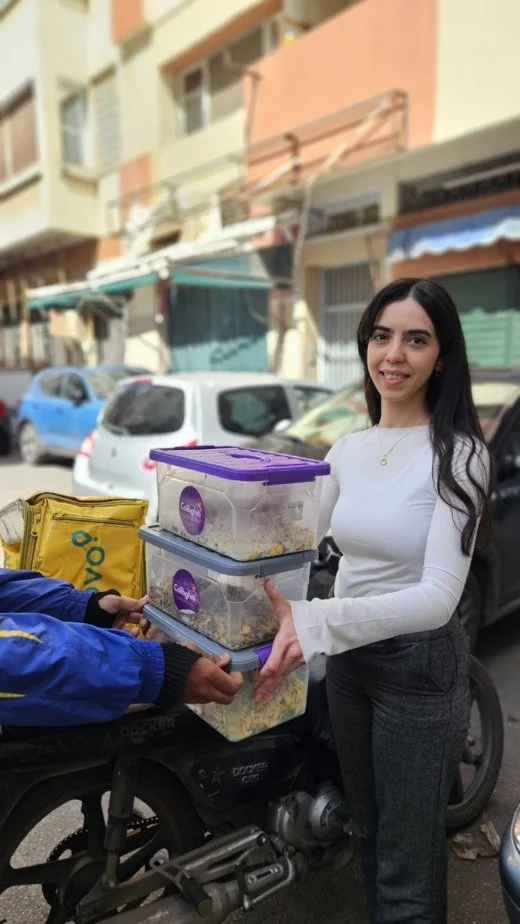
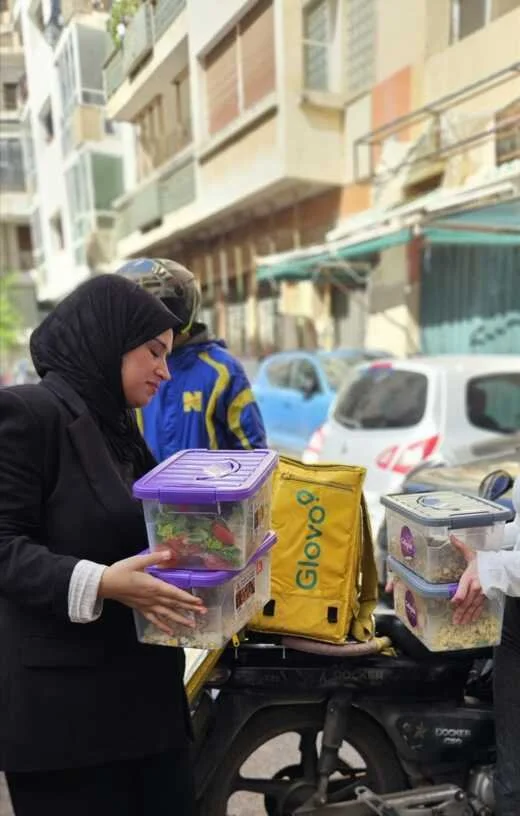
The Green Key certified establishment Barcelo Anfa Casablanca Hotel has taken concrete action by launching a collaboration with Colibghiti, a partner specializing in the redistribution of surplus food. Seeking to reduce food waste generated by the hotel while also raising awareness among staff and guests about sustainable food management, the hotel partnered with Colibghiti to redistribute surplus food to local charities to support people in need.
The initiative was designed around simple but effective operational practices. Existing kitchen teams and hotel staff were mobilized to identify edible surplus food on a daily basis, while Colibghiti organized weekly collections to ensure the food could be redistributed safely and efficiently. Alongside these operational measures, the hotel introduced internal communication campaigns and staff awareness activities focused on food waste reduction and responsible consumption practices.
Barcelo Anfa Casablanca Hotel had to overcome challenges to launch this initiative. Ensuring consistent staff engagement and adherence to the new procedures was not always easy, particularly in the hospitality industry where workloads can often be demanding. To ensure that the food waste reduction initiative could be integrated smoothly into daily operations without disrupting the work of the kitchen staff, clear guidelines and dedicated staff training sessions were implemented.
Another important challenge involved coordinating collection times with Colibghiti to guarantee both freshness and food safety. To address this, the hotel and its partner maintained regular communication and implemented monitoring and feedback mechanisms to quickly identify and resolve any operational issues. These measures helped create a reliable and efficient redistribution process that met both safety standards and operational needs.
By redistributing surplus food instead of allowing it to go to waste, this initiative demonstrates how simple operational changes can create both environmental and social impact. It highlights the important role that hospitality establishments can play in promoting more sustainable food systems while supporting local communities in meaningful and practical ways.