
Cultivating Sustainability with JW Mariott Venice Resort & Spa
Set on the private island of Isola delle Rose in the Venetian Lagoon, JW Marriott Venice Resort & Spa has developed a sustainability approach that is deeply connected to its fragile location. By combining on-site agriculture, circular resource management, and responsible procurement practices, this Green Key certified resort demonstrates how luxury hospitality can contribute positively to the environment while preserving local heritage and identity.
The island's fertile soil supports olive groves, fruit trees, and the JW Garden, where vegetables and herbs are grown for use in the resort's restaurants. This "zero-kilometre" philosophy significantly reduces the environmental impact associated with food transportation while ensuring ingredients are harvested fresh and according to actual guest demand. The resort's olive groves produce extra virgin olive oil on-site through small-scale and mindful harvesting practices that respect both the landscape and local agricultural traditions.
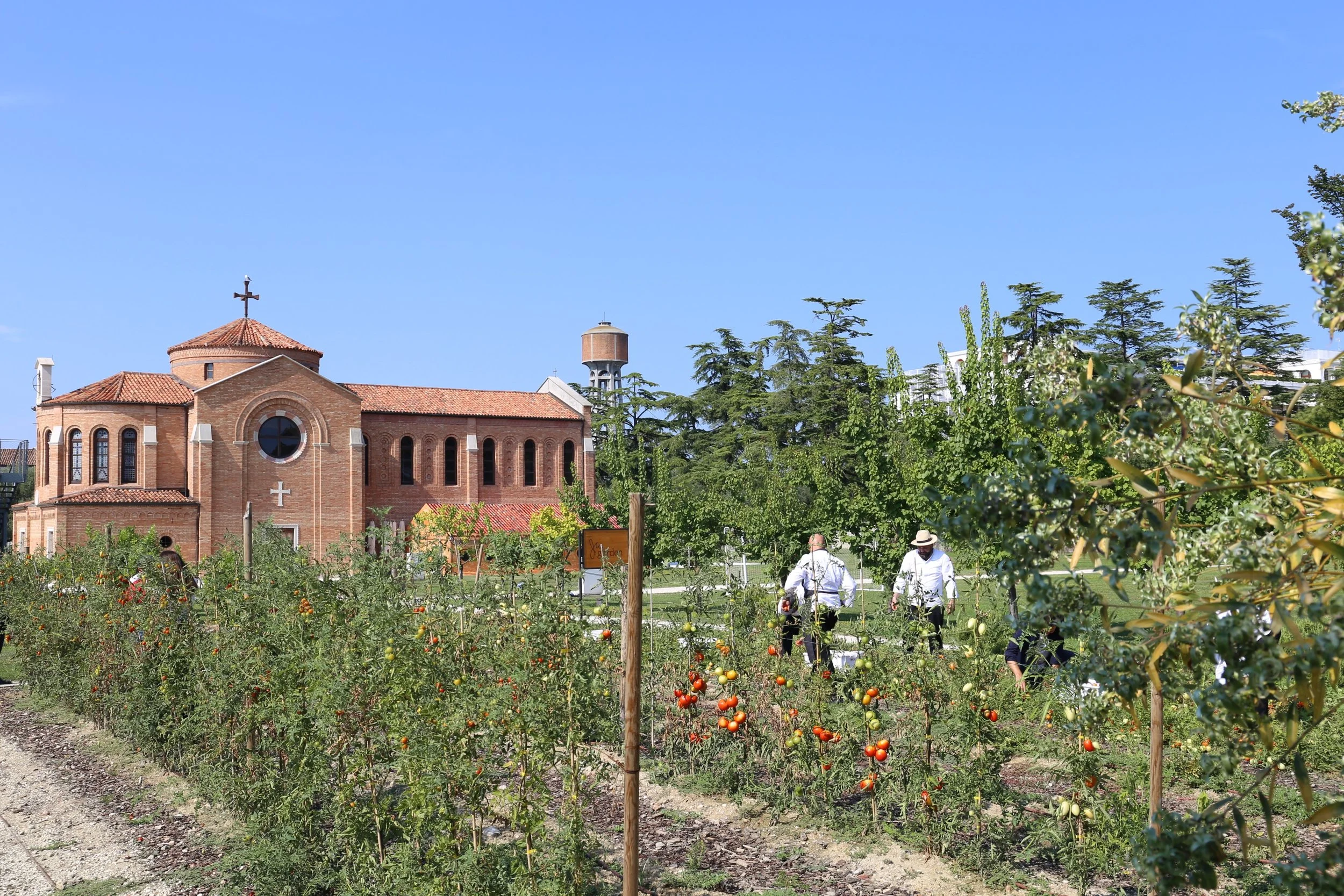
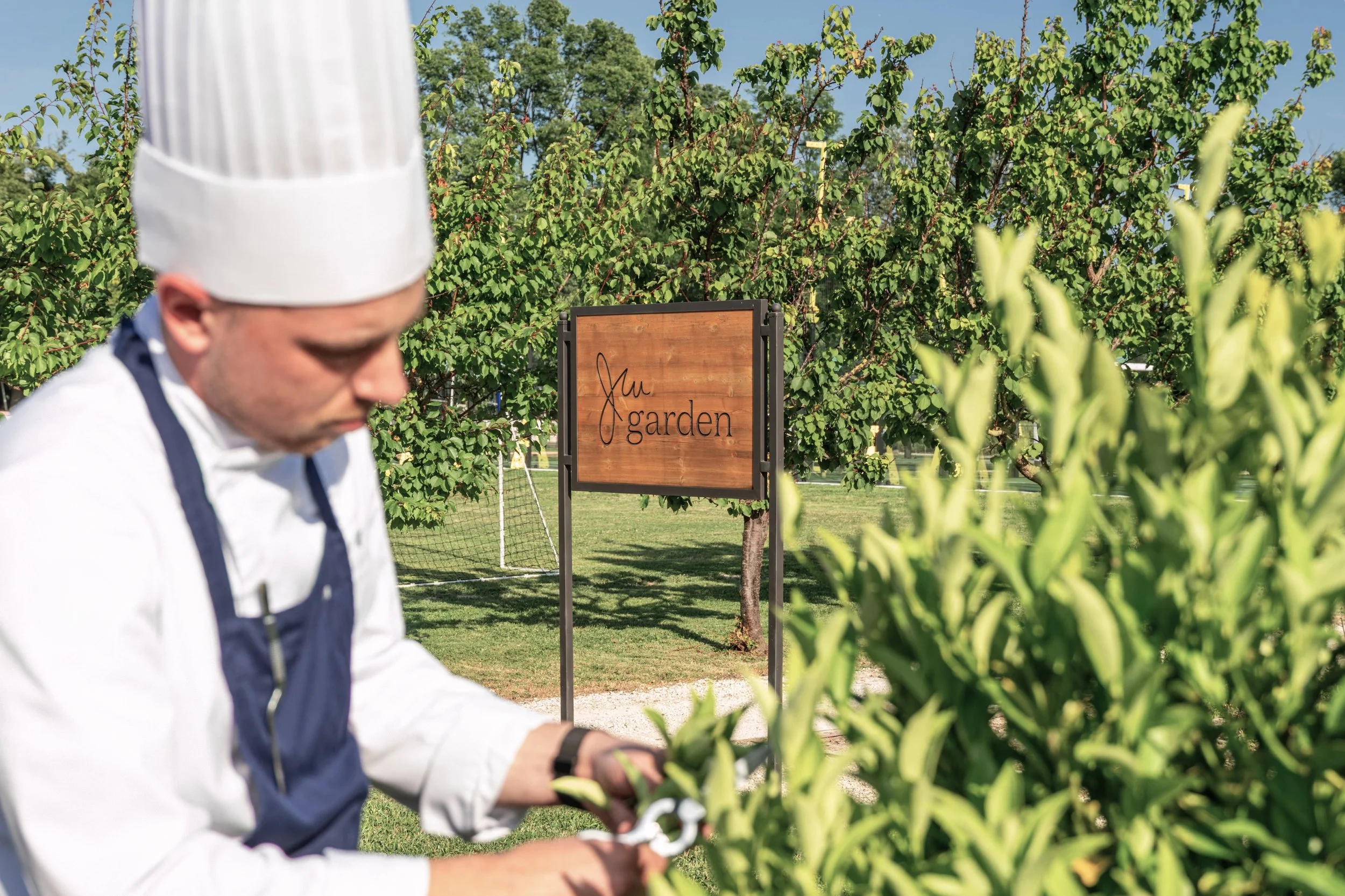
Sustainability efforts extend beyond food production through a comprehensive circular economy strategy. Thanks to a staff training effort, organic kitchen waste is separated and processed into nutrient-rich compost on the island. This compost is then returned to the JW Garden, where it helps cultivate the vegetables and herbs served in the resort's dining venues. The result is a closed-loop system that transforms waste into a valuable resource while reducing the need for external inputs.
The initiative was developed in response to the environmental challenges of the Venetian Lagoon. Transporting supplies and waste by boat generates additional emissions and logistical complexity. By reducing waste at its source and producing food on-site, the resort minimises its ecological footprint while strengthening its connection to the local environment.
The resort has also worked closely with local Venetian suppliers to rethink its procurement practices. Suppliers are encouraged to deliver products using reusable or biodegradable packaging before goods are transported to the island, reducing unnecessary waste throughout the supply chain and supporting broader circular economy principles.
Together, these initiatives showcase an inspiring model of sustainable hospitality, one that protects the fragile ecosystem of the Venetian Lagoon, celebrates local identity, and delivers an authentic experience for guests. By connecting agriculture, waste management, water conservation, and responsible sourcing into a single integrated system, the Green Key certified hotel JW Marriott Venice Resort & Spa illustrates how sustainability can become an integral part of luxury hospitality.