
Study reveals that travellers are increasingly conscious of the environmental impact of travels

A report by Booking.com seems to indicate an increase in hotel guests willing to accept more sustainable behaviours as part of their travel.
Although the number of guests seeking sustainable hotels has almost doubled over the past year, the report also suggests hotels need to do more to communicate what guest actions constitute genuinely sustainable travel.
The findings from Booking.com’s global Sustainable Travel Report suggest 65% of global travellers expressed their intention to stay in eco-friendly accommodation versus 34% who stayed in one or more last year.
The results show:
- 68% confirm they are more likely to consider choosing an accommodation knowing that it was eco-friendly
- 36% would choose an eco-friendly accommodation because it provides a more locally-relevant experience
but
- 46% of global travellers already consider themselves a sustainable traveller
- 38% perceive the buying of locally-made products and supporting local artisans as sustainable travel
Chinese (93%), Brazilian (83%) and Spanish (80%) travellers were the most likely to look for sustainable accommodation, whilst sustainable actions have declined in travellers from Australia, Japan and the US.
Interestingly, 79% of those surveyed say sustainable considerations also impact their mode of transport when travelling, with 43% taking public transport whenever possible, 42% trying to walk, bike or hike as much as possible and nearly one fifth (18%) flying less to reduce their carbon footprint.
Pepijn Rijvers, Chief Marketing Officer at Booking.com said, “Just as where we stay on holiday plays a pivotal role in the enjoyment of our trip, so it also plays an increasingly important role in helping people to travel sustainably. Whether by serving locally grown food, using or selling local crafts, conserving water and energy, recycling or connecting guests with the local community, accommodations today are working on a range of sustainability efforts and it’s heartening to see travellers so keen to explore and embrace these. Since adding eco-based interests and destination endorsements to our Passion Search tool at Booking.com, we’ve also seen a growing number of endorsements left by travellers, so the sustainable appetite is there.”
Hotels should note that guests are also open to make luxury adjustments in order to stay somewhere eco-friendly. The vast majority of global travellers would be happy to accept this, with 94% willing to stay in a property with energy saving light bulbs, 89% in one with HVAC units that only run while you’re in the room and 80% happy with low flow showerheads.
Additionally:
- 79% Happy with less frequent toiletry replacement
- 75% Happy to have linen and towel changes less frequently
- 64% Happy to accept higher cost for food because its’ all locally produced
The term ‘sustainable travel’ continues to mean many things to many people, but the role of accommodations in helping travellers to achieve their sustainable travel goals is clear. The research shows that over half (56%) consider staying in eco-friendly accommodation as sustainable travel, topping the list of what travellers think when they hear the term. For well over a third, it means conserving water by reusing towels and bed sheets (38%) and conserving the environment by reducing use of amenity goods such as shampoo, soap, toothbrush, shaving razor (35%).
For many, sustainable travel is also synonymous with a more authentic, local experience. 38% perceive the buying of locally-made products and supporting local artisans as sustainable travel, while 36% would choose an eco-friendly accommodation because it provides a more locally-relevant experience.
Reasons for choosing eco-friendly accommodation includes:
- To help reduce environmental impact 52%
- They provide a more locally-relevant experience 36%
- They treat the local community better 31%
- They tend to provide more locally-sourced/organic food 30%
Top-5 most important green/eco-friendly practices when considering a property to stay in:
- Solar Energy 67%
- Sustainable water system 43%
- Low-flow showers/toilets 36%
- Organic restaurants/food options 31%
- Recycling baskets in room 29%
Rijvers added, “At Booking.com we have a mission to empower people to experience the world, a world that should not be taken for granted. We are continually exploring improved ways to uncover and share the sustainability efforts of our accommodation partners with those searching and selecting on our site, and as part of our own commitment to improving destinations worldwide, we recently launched Booking.com Booster. Through this accelerator programme for start-ups in sustainable tourism, we will help maximise the impact that these different ventures across the globe can have. Ensuring a sustainable future is a collaborative effort, one that means sharing our expertise and working together, whether destinations, accommodations, travel providers or travellers.”
The report reveals some interesting insights for hoteliers taking part in Responsible Business Week, who can be reassured that guests are increasingly expecting their accommodation to be sustainable and considerate of the environment and local people. Later this week Green Hotelier will be announcing the winners of the 2017 Green Hotelier Awards which help showcase the best responsible, sustainable and environmentally friendly practices in hotels around the world.
Source: Greenhotelier.org
Thon Hotel EU and its various biodiversity actions
Green Key awarded Thon Hotel EU located in Brussels (Belgium) has established a green roof and an insect hotel to increase biodiversity
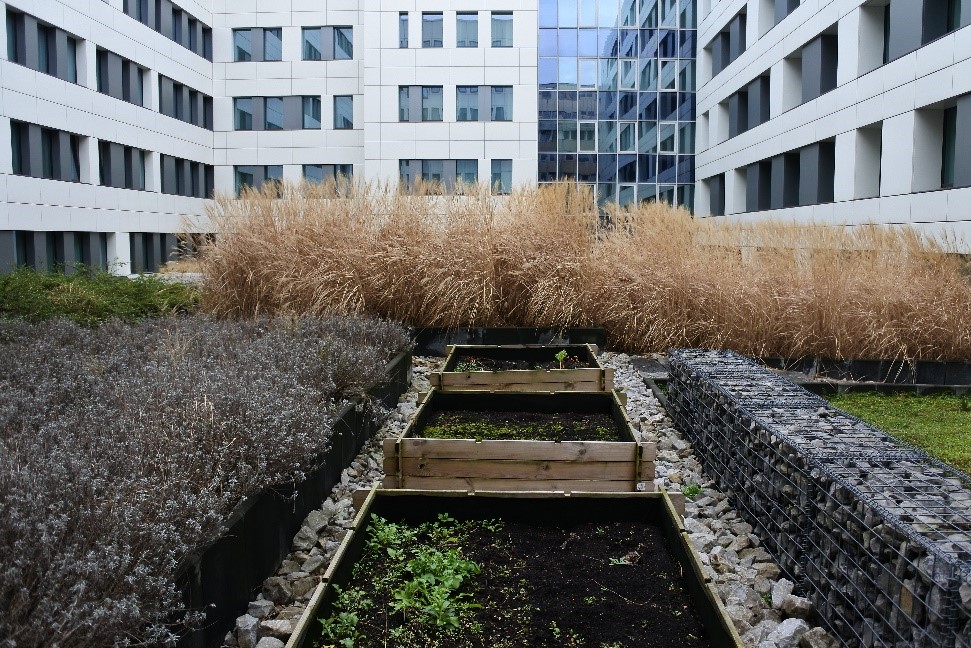
The green roof of the Thon EU hotel with lavender, poaceae and the vegetable garden. (Picture by E. Uskokovic)
Thon Hotel EU is located in an old building that was renovated in April 2012 to be changed into a hotel. From the beginning of the renovation project there was a desire by the director of the hotel to include environmentally friendly" solutions. In addition to evaluate the use of resources and energy, the environmental project goes further. Indeed, the hotel offers many complementary actions in favour of the environment, such as the installation of a green roof, a vegetable garden, an insect hotel and two beehives.
The green roof:
The green roof is made up of poaceae and lavender. The flowers of lavender are pollinated by bees belonging to the two beehives which are also located on the roof. The beehives give the hotel the great opportunity to produce its own honey and offer it to the customers during breakfast. There is also a vegetable garden, which is an excellent source of healthy food and biodiversity when managed without pesticides. The green roof also allows water retention and regulation of rain flow. In addition, guests are delighted to have a view of their room on a bit of nature.
The insect hotel
The bees and other insects need shelter in an urban environment where their natural habitat is becoming increasingly scarce. Besides supporting the biodiversity, it inspires some of the hotel guests to have an insect hotel at home. The insect hotel is not only favorable for small six legged animals, but it is also an excellent educational tool for children. It is a real satisfaction for the hotel to spread good ideas for the preservation of biodiversity among the customers and the staff.

The insect hotel on the roof of the Thon Hotel EU. (Picture by E. Uskokovic)
Landal Bad Kleinkirchheim bringing old traditions back to life
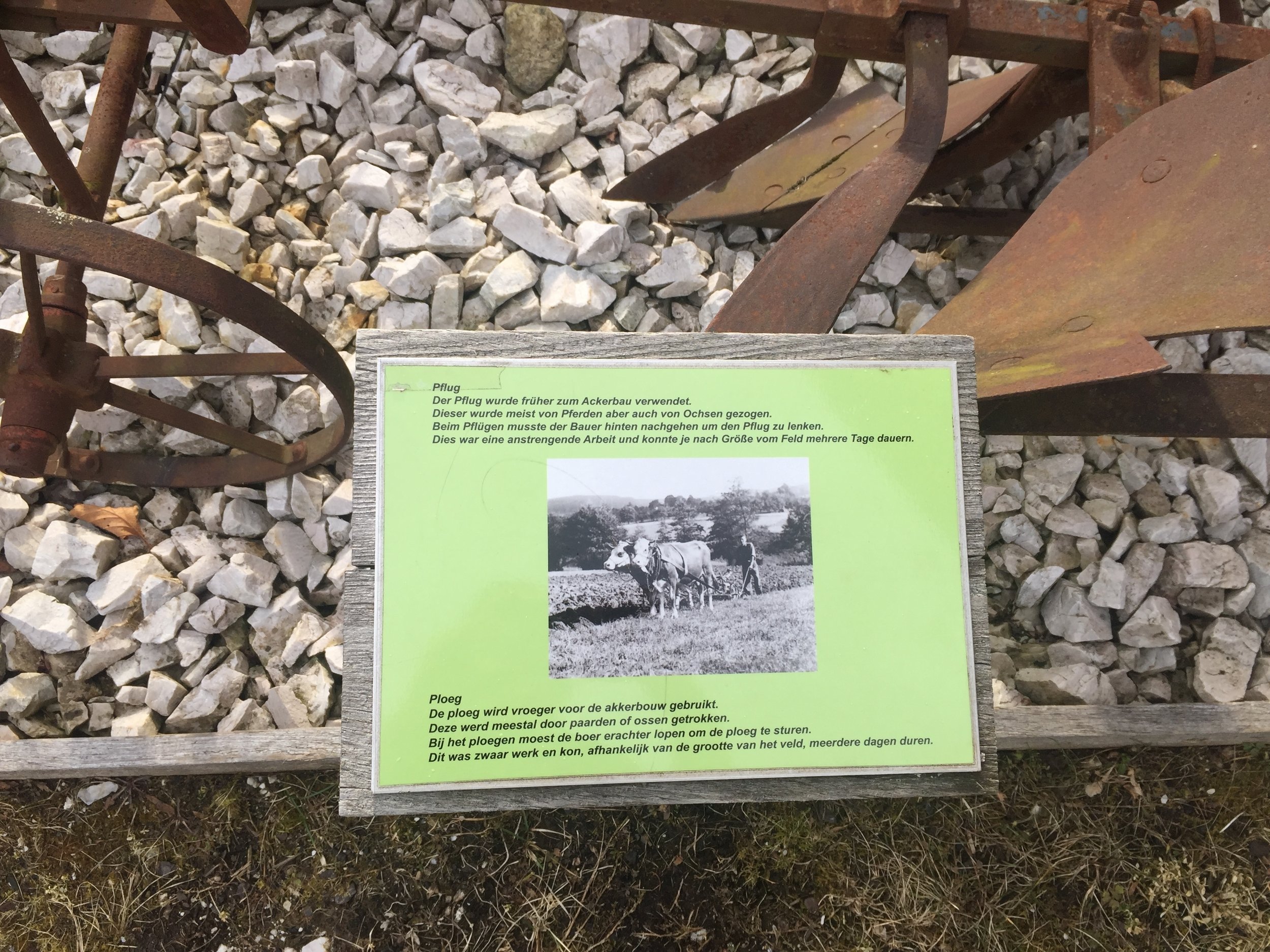
During their stay in the Green Key certified Landal Park Bad Kleinkirchheim in Austria, guests get an insight into the local farming traditions from the old days.

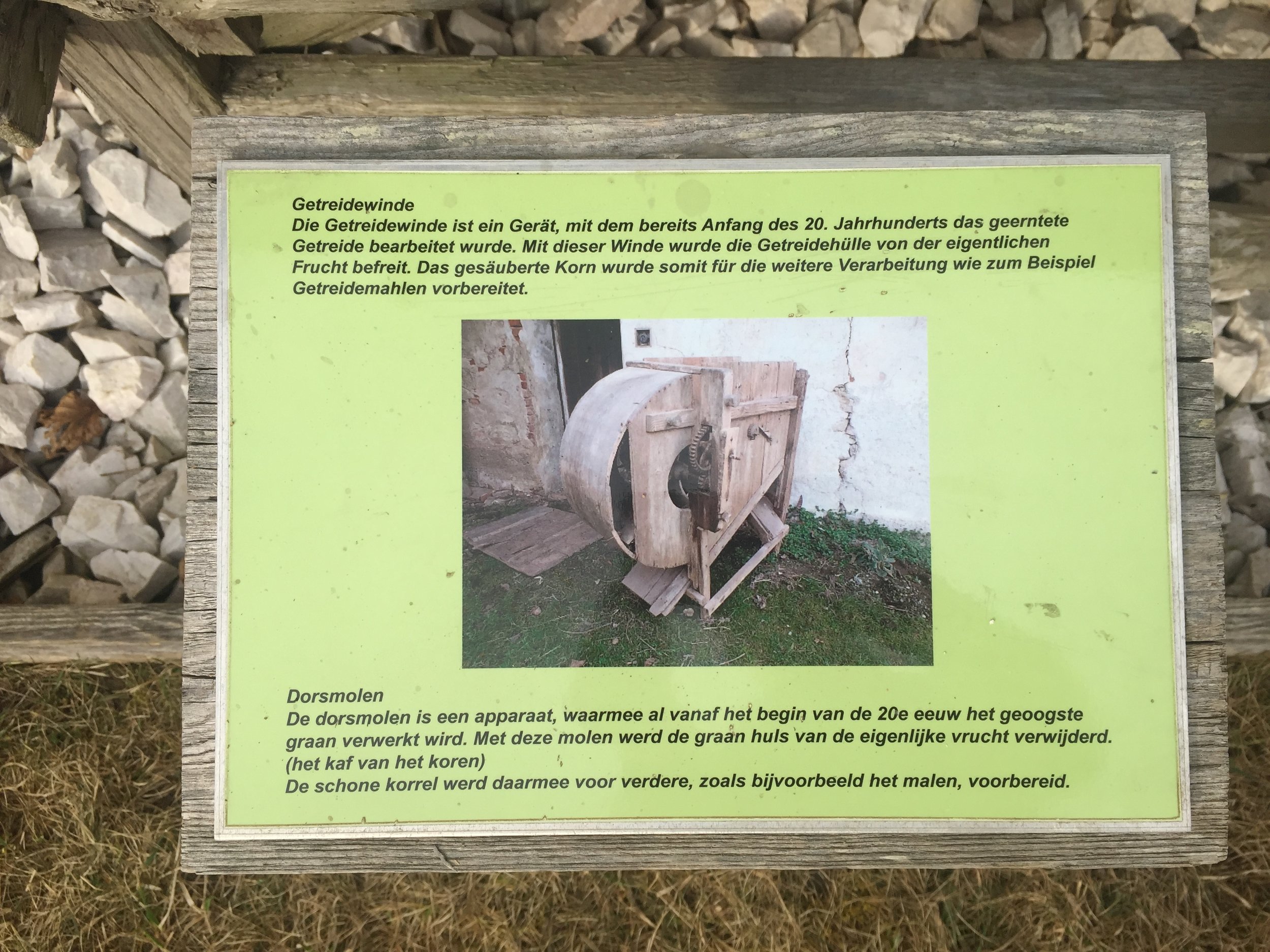
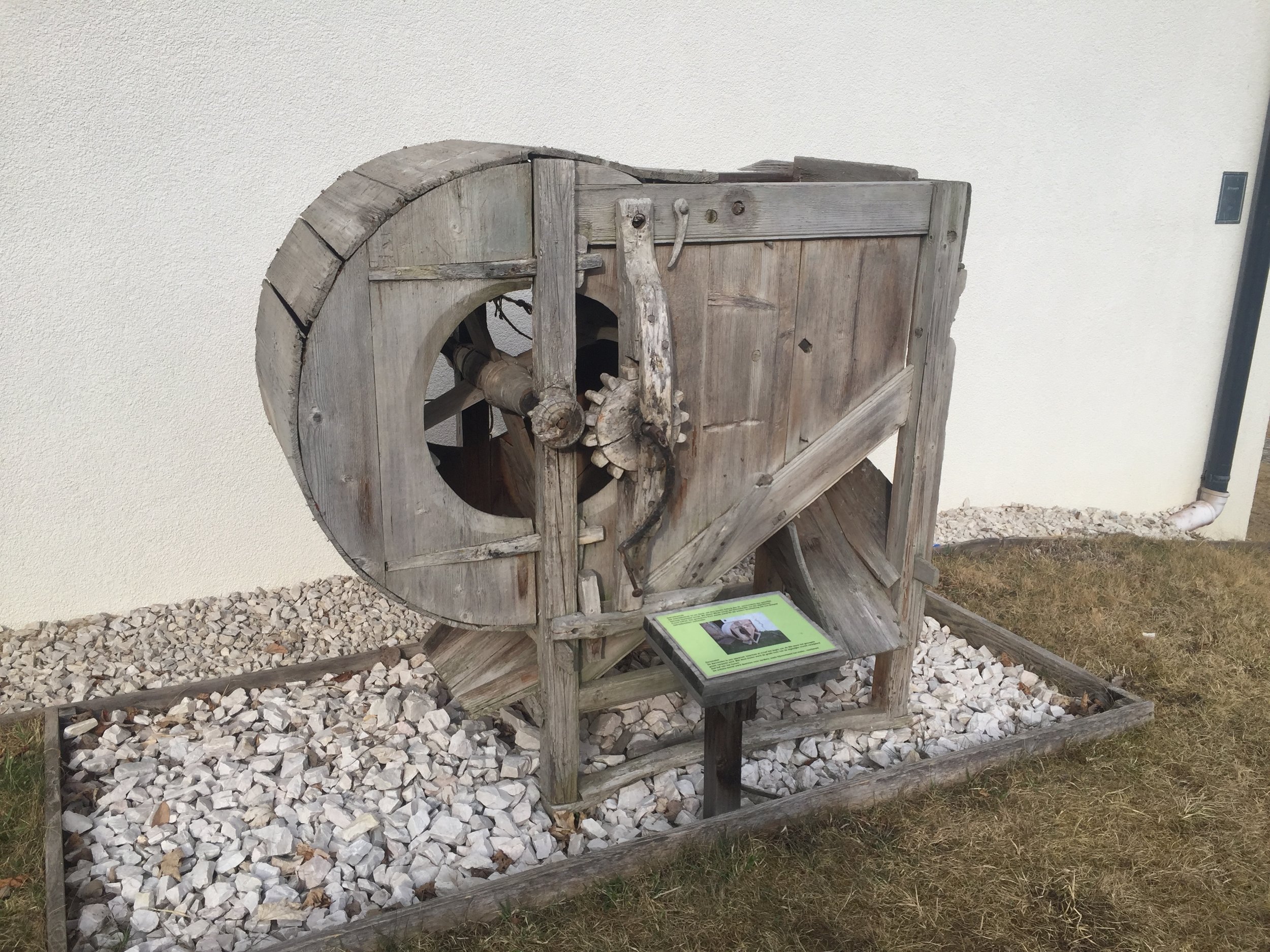
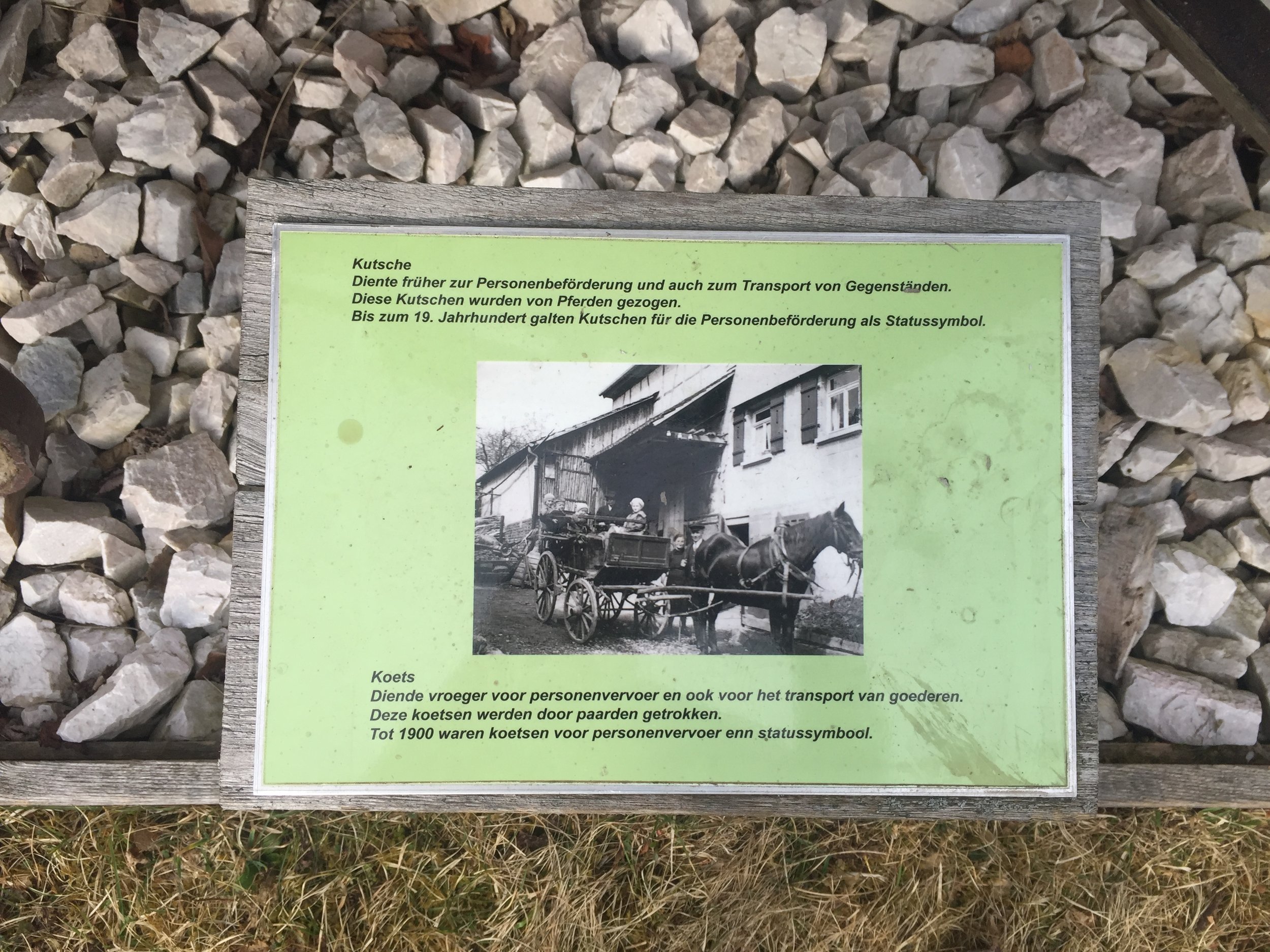
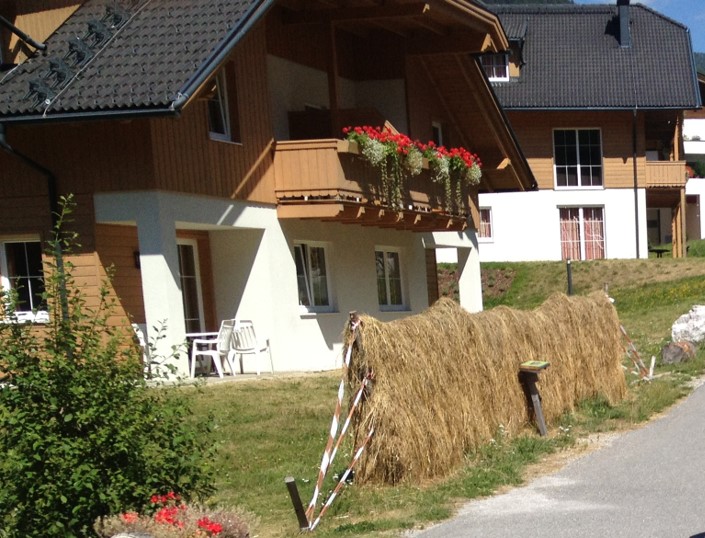
The Landal Bad Kleinkirchheim is located in Carinthia in the eastern Alps, surrounded by green mountain slopes and clear alpine lakes. Before becoming a popular tourism destination, the area was dominated by agriculture and farming. To keep the old traditions of the local farmers alive, Landal Bad Kleinkirchheim decided to exhibit some of their original appliances and tools in their park. And not only this: some of the old tools are actually brought into action. To cut the grass on the slopes and in the garden, the park uses an antique hand scythe. The cut grass is dried on traditional hay racks called "Schwedenreiter". Guests can witness these practices from their terraces or balconies and read more about it on the wooden information board all over the park.
"These old tools and appliances often anstonish our guests, as - especially children- have never heard about them before" says, Lisa Makoru, employee of Landal Bad Kleinkirchheim.


Renewable energy: hydraulic wheel of the ‘Moulin du Geer’
The ‘Moulin du Geer’ a newly Green Key awarded accommodation located in Wallonia (southern part of Belgium), is since January 2008 producing between 70% and 100% of its electricity from a water mill
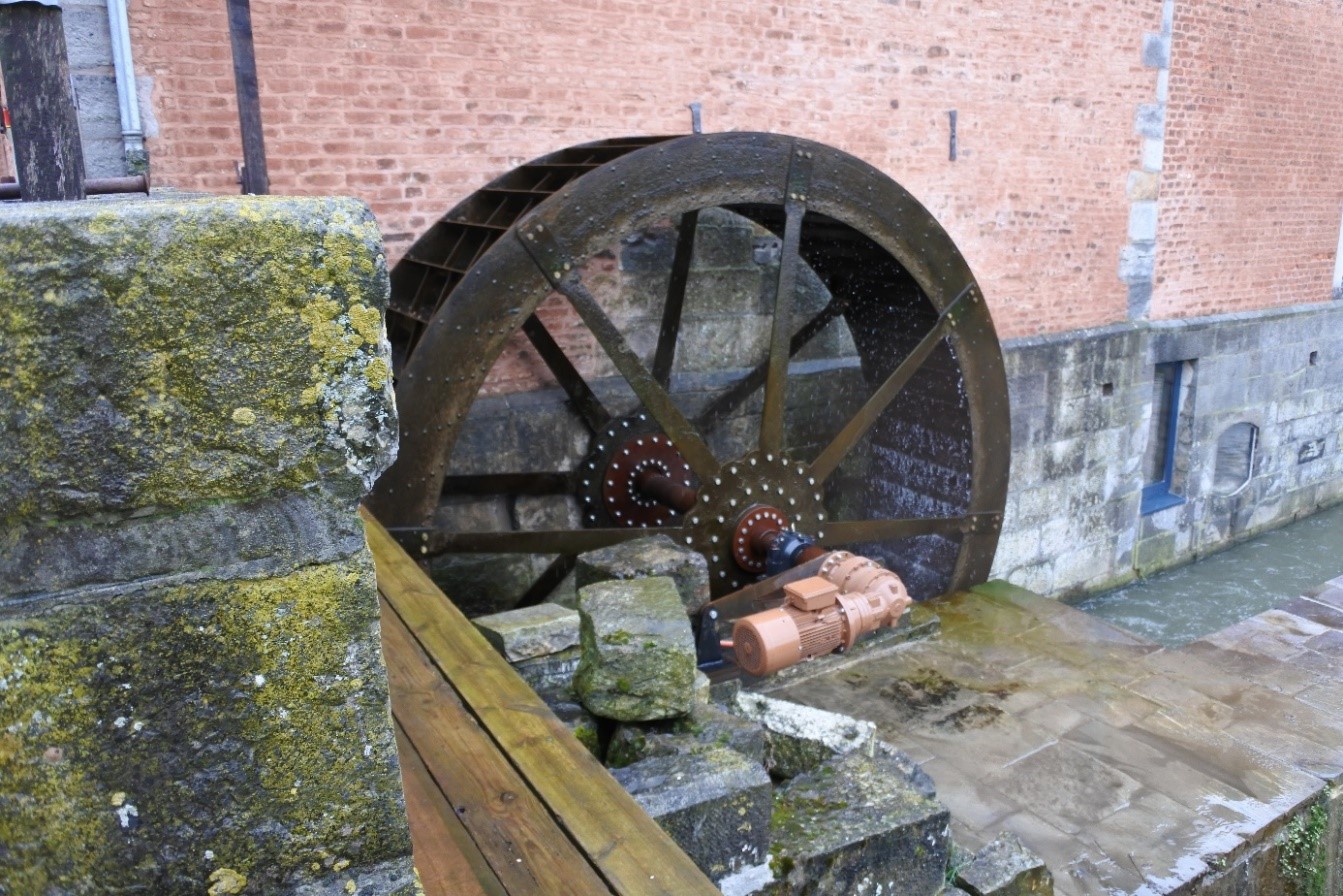
The hydraulic wheel of the ‘Moulin du Geer’. (Picture by E.Uskokovic)
Indeed, the owner had restarted the driving wheel of the water mill. Since January 2008 a major part of the electricity of the establishment is product by this system.
The buildings of the mill are dated between the 12th and 19th century and are located in a historical site that been converted into lodges and a meeting room in order to restore the heritage. The accommodation’s facilities have been labelled Green Key in 2016.
At the same time, the heritage of the edges of streams are restored. For the owner to preserve the heritage whether natural or architectural belongs to the same philosophy: to preserve the environment from degradation.
Participate in the 2017 Green Lodging Trends Report powered by Greenview
The Green Lodging Trends Report is the lodging industry's annual exercise to assess and catalyse green innovation, best practices, and awareness regarding the state of sustainability across hotels worldwide.
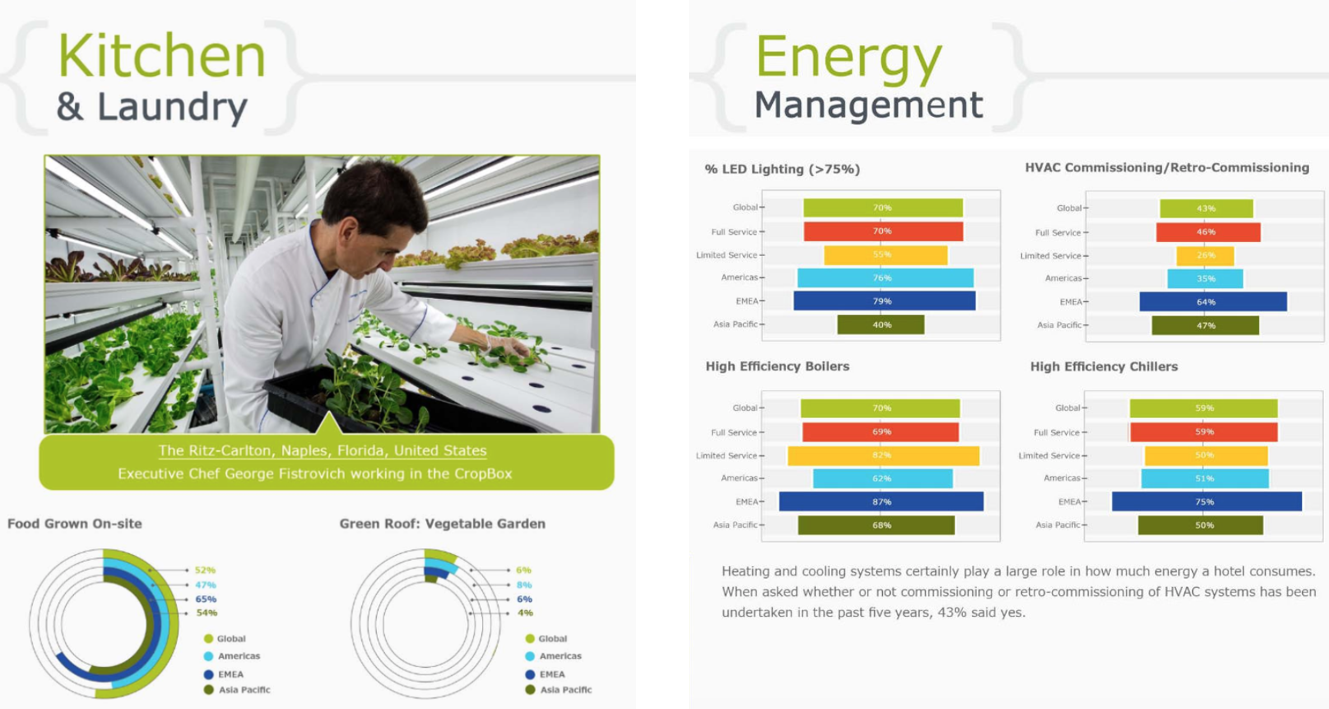
Over 100 best practices benchmarked for trends and highlights in 10 areas of hotel sustainability and social responsibility
Green Key is supporting the Green Lodging Trend Report 2017 powered by Greenview, a leader in advancing hotel sustainability, and managed by Green Lodging News, lodging's leading environmental news source. Green Key awarded establishments are encouraged to participate in the survey and to take advantage of many benefits related to the report.
Why should you participate in the 2017 Green Lodging Trends Report?:
- Get a free compare report! - Find out where your property is aligned with the best practices and where it is behind with peers locally and globally.
- Discover new innovative practices that hotels are implementing.
- Use information to improve and ultimately outperform your competitors.
- Highlight your innovations to showcase to the world in the annual trends report.
Sign-up Process:
- Click sign up to register your property on the Greenview Portal.
- Property details (step 1) and contact details (step 2) are required.
- Select free (survey) option (step 3) to complete registration.
- Receive login credentials from support@greenviewportal.com.
- Login here with your credentials.
- Go to Green Surveys Menu => Green Lodging Trends Report 2017.
Submit by 15 June 2017!
EKOenergy for the hospitality sector
Green Key's partner, EKOenergy launches a new campaign to introduce EKOenergy certified renewable energy to businesses in the hospitality sector

EKOenergy is the only international ecolabel for renewable energy. It is an initiative of 45 environmental organisations from 35 countries.
With its newest campaign, EKOenergy wants to encourage the hospitality sector to improve their sustainability score and switch to EKOenergy.
Green Key also suggests green energy, therefore EKOenergy wants to help tourism establishments fulfill this requirement and do even more. Because EKOenergy not only guarantees 100% renewable and environmentally friendly energy due to set environmental criteria, it also supports new renewable energy projects and ecological restoration through its Climate and Environmental Funds.
In addition, international standards such as CDP and Greenhouse Gas Protocol recommend EKOenergy, and switching to EKOenergy can score you extra points with LEED.
A growing number of hotels in Europe have already switched to EKOenergy and include the EKOenergy logo in their communication with their guests. Follow their lead and go the extra mile. For more information go to www.ekoenergy.org.
Green Key launches its Best Practice Competition 2017!
This is the second year Green Key is running its best practice competition to find the Green Key Sustainability Champion 2017.

Hotel Chef visiting a local market in Switzerland
As 2017 has been designated as the International Year of Sustainable Tourism for Development by the UN to "support a change in policies, business practices and consumer behavior towards a more sustainable tourism sector that can contribute effectively to the Sustainable Development Goals" Green Key has decided to dedicate this year's best practice competition to the topic:
"PARTNERSHIP AND LOCAL ENGAGEMENT FOR SUSTAINABLE DEVELOPMENT”
Green Key awarded establishments are encouraged to share their activities, initiatives and best practices that promote sustainable social, cultural, environmental or economic developments in their local area.
More information and the guidelines for participating in Green Key's Best Practice Competition can be found here. The deadline for submitting the story is 1 September 2017. The winner will be announced publicly on the World Tourism Day, 27 September on the Green Key website and in Green Key's social media.
Read about last year's winner here
Good luck to all Green Key awarded sites that participate in the Best Practice Competition 2017!
Two top hotels in London recognised for their green credentials
Keep Britain Tidy presents its first international Green Key awards to two top London hotels – the Sheraton Skyline and Le Meridien Piccadilly.
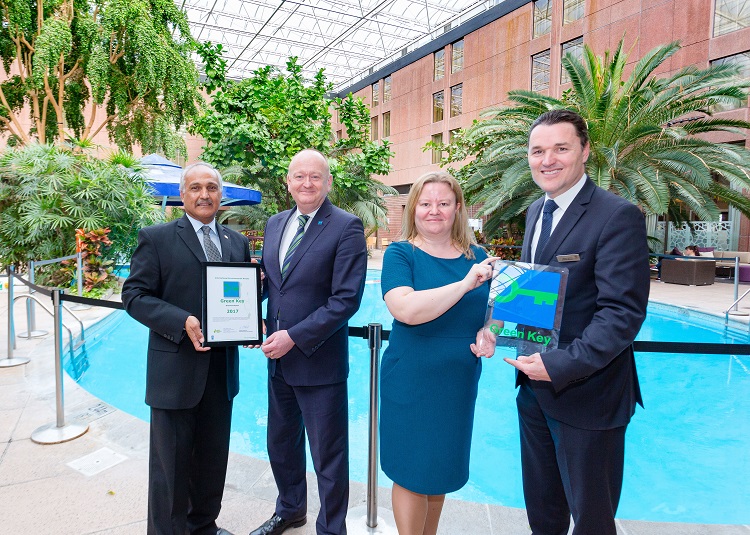
Mohamed Rahemanji (Chief Engineer, Sheraton Skyline), Paul Todd (Accreditations Manager, Keep Britain Tidy), Lynsey Atherton (Green Key National Operator, Keep Britain Tidy), Thierry Henrot (General Manager, Sheraton Skyline)
Environmental charity Keep Britain Tidy is delighted to have presented its first two Green Key awards after taking on the management of this international award for the hospitality sector in England.
The Sheraton Skyline and Le Meridien Piccadilly now join more than 2,550 Green Key establishments across 55 countries. The Green Key is the leading standard of excellence for environmental responsibility and sustainable operation in the tourism sector.
Keep Britain Tidy’s Chief Executive Allison Ogden-Newton said: “We are delighted to be presenting our first Green Key awards to two such deserving recipients. When you choose to stay in a Green Key accredited hotel, you know that you are reducing your environmental footprint by staying in an establishment that makes more sustainable choices.”
During the rigorous judging, each hotel is assessed against criteria including staff involvement, guest information and sustainable management of energy, waste, water, cleaning and food and drinks. Through making greener choices each establishment is able to significantly reduce their environmental impact, reducing the consumption of energy and water, and improve their guests’ experience.
Thierry Henrot, General Manager at Sheraton Skyline, said, “It is such an honour to receive this prestigious award and we, at the Sheraton Skyline Hotel, are very proud to have been recognised and awarded with Green Key for this year.
“We are very committed to providing the most environmental friendly and sustainable establishment for our guests and we are very passionate in training and educating our employees to maintain our sustainable practices throughout the hotel.
“It is our goal to ensure that our guests are happy and their needs are met through our environmental practices and the values we strive to achieve.”
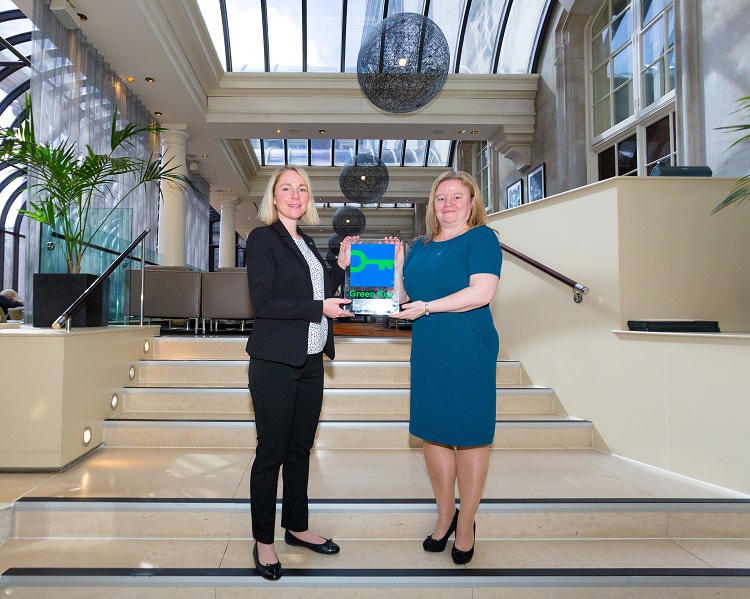
veline Noort (General Manager, Le Meridien Piccadilly) and Lynsey Atherton (Green Key National Operator, Keep Britain Tidy)
Eveline Noort, General Manager at Le Meridien, said, “We are really proud to receive the Green Key label for the fifth consecutive year. Le Méridien Piccadilly Hotel is committed to preserving the environment and playing an active role in keeping Britain tidy.
“Since February 2012, Le Méridien Piccadilly Hotel set up its own Green Team made up of hotel associates whose aim is to develop, implement and oversee numerous sustainable initiatives. The results of our efforts and determination were recognised in November 2012 by becoming the first hotel in the UK to receive the Green Key Award, a step-by-step environmental management programme specifically designed for the hospitality industry. This award marks the fifth consecutive year Le Méridien Piccadilly has received the Green Key.
“Thanks to the hotel’s guests’ and associates’ efforts, Le Méridien Piccadilly is continuously achieving significant environmental achievements. In 2016 the hotel managed to save an estimated 2,190 m3 of water, the equivalent to an Olympic-sized swimming pool”
Green Key contributes to the UN Sustainable Development Goals 2015-2030
In connection with United Nations having declared 2017 as the International Year of Sustainable Tourism for Development, Green Key would like to highlight its contribution to the achievement of the 17 UN Sustainable Development Goals 2015-2030.

When approving the Sustainable Development Goals, the United Nations nominated 2015 as a landmark year for sustainability. The new agenda is transformative, people-centred and with bold and ambitious targets. 17 goals and 169 targets are set to frame the global development agenda for the coming 15 years. The economic, social and environmental dimensions of the goals seek to address poverty, hunger, disease, fear and violence, education, healthcare, social protection, sanitation, safety, sustainable habitats and energy.
In July 2016, new Green Key criteria for its six categories took effect. Green Key has the potential to contribute directly or indirectly to the achievement of all the 17 goals. Goal 4 – Quality Education, relates to Green Key’s criteria on information, education and training of staff, guests and suppliers. Goal 6 – Clean Water and Sanitation, Goal 7 – Affordable and Clean Energy, and Goal 13 – Climate Action, relate to the reduction of carbon emissions and lowering environmental footprint through a high level of environmental management of especially water, energy and waste, and are also central requirements in the Green Key programme.
The new Green Key criteria also focus on CSR related issues, such as job creation, local community engagement, equal opportunities for all (including vulnerable groups) etc. - and many of these issues are included in the Sustainable Development Goals.
The full document describing Green Key’s contribution to the Sustainable Development Goals can be downloaded here. In the coming months, Green Key will in more detail present its commitment to each of the 17 Sustainable Development Goals.