
Transparency is at the heart of a new initiative from Camping Champ le Monde in Herbeumont, Belgium. As part of its Green Key commitment, the campsite has chosen to share the full results of its environmental evaluation, along with its action plan for the years ahead, directly with guests.
The initiative invites visitors into the campsite's continuous improvement process, raising awareness of the environmental challenges involved in running a sustainable accommodation facility. Rather than keeping sustainability efforts internal, the team publishes evaluation results and progress updates openly online and on site, turning each improvement into a shared story with guests.
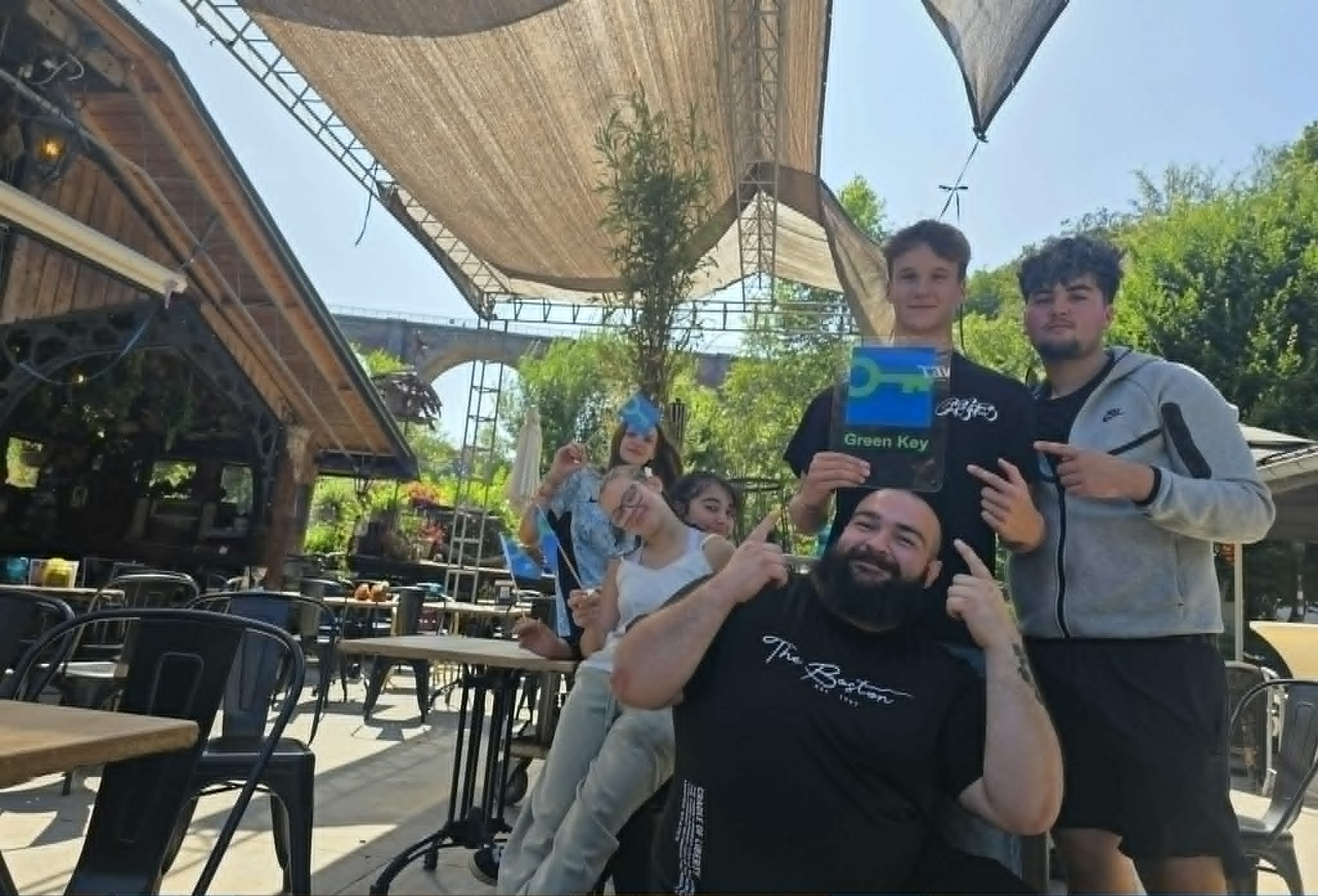
A range of concrete actions
The action plan brings together several initiatives introduced over the past year:
LED lighting and motion sensors installed across sanitary facilities, reducing energy use.
A professional composting system placed at the heart of the campsite to manage organic waste.
Selective spring trapping of Asian hornets, protecting local biodiversity.
A workshop offering solar-panel charging for two-wheeled vehicles.
Guest-facing guidance on responsible driving and water use on site.
Recognition under the Bienvenue Vélo label for cyclist-friendly accommodation.
Inclusion on the new Entre Argonne et Ardenne trail, welcoming horses and other equids.
Participation in a personalised sustainability support programme with the Parc national de la Vallée de la Semois, and in a local exchange on adapting tourism activity to climate change.
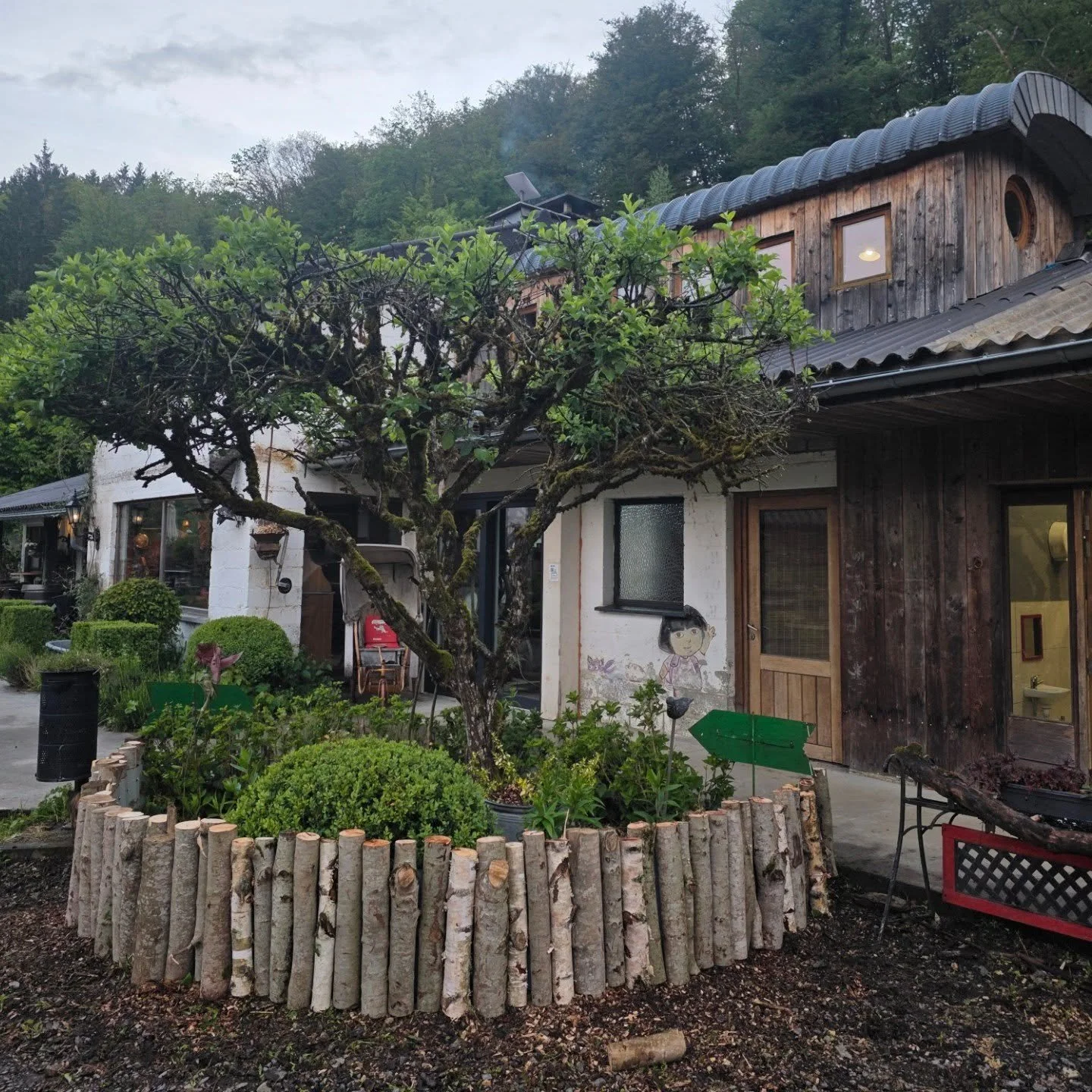
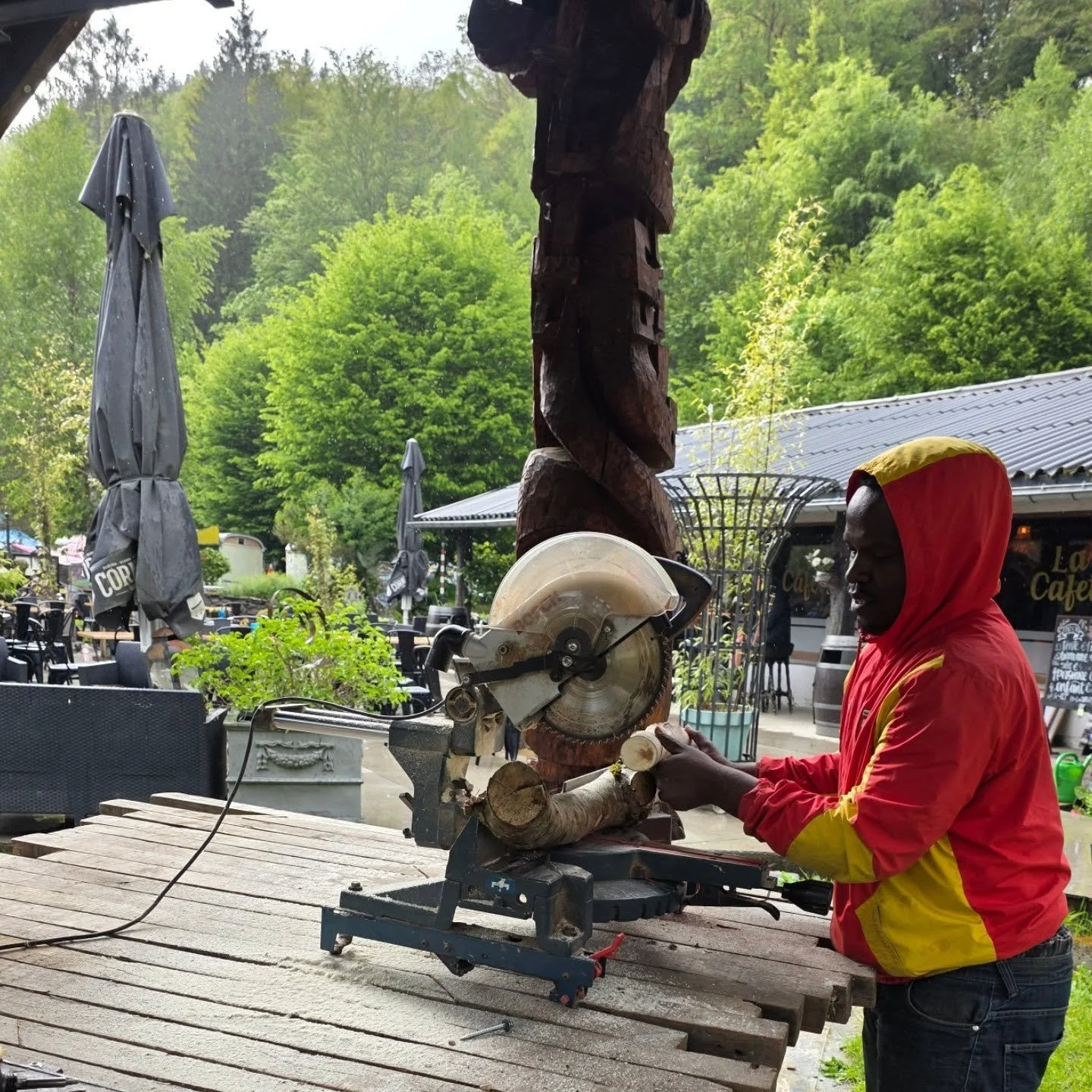
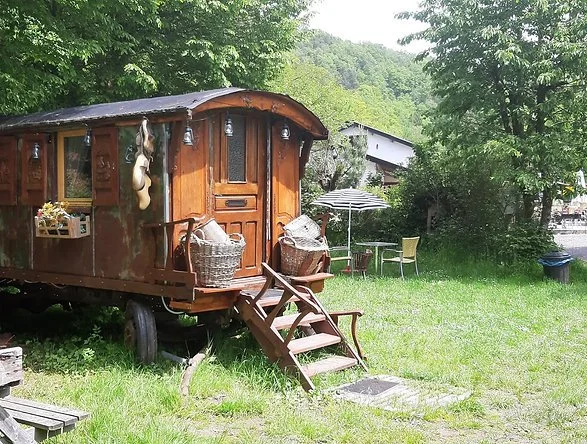
Each action is documented with photos and short explanations, giving guests a clear, practical picture of what sustainability looks like day to day rather than a general statement of intent.
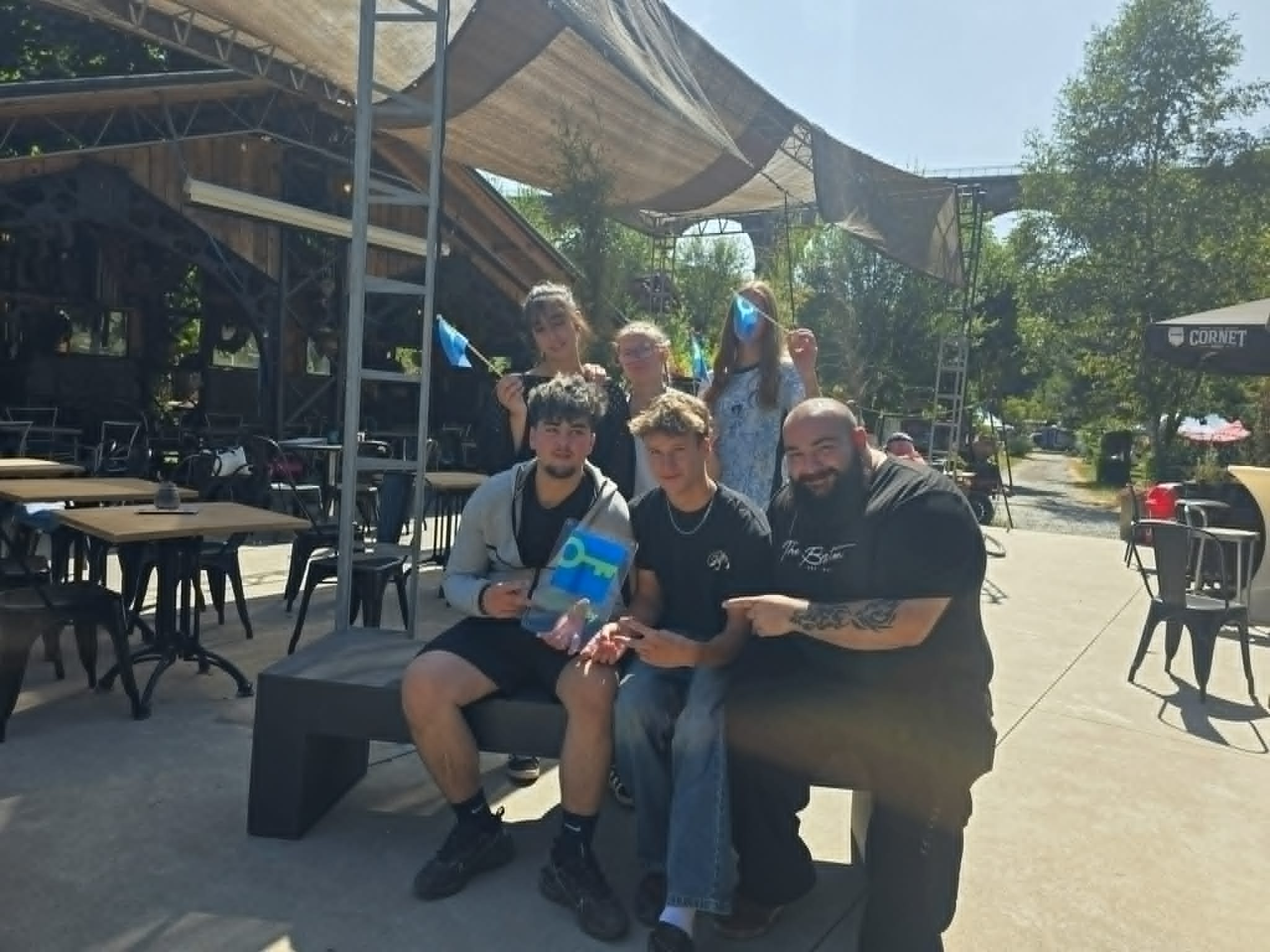
Why and how was it developed?
During its Green Key evaluation, Camping Champ le Monde identified that although several environmental measures were already in place, guest awareness and understanding of them remained limited. The team decided to make these efforts visible and accessible, using existing operational resources rather than external funding. The work was driven mainly by internal motivation and staff involvement, with time dedicated to structuring information and adapting communication tools for guests.
Overcoming the challenges
As a small tourism business, finding the time to thoroughly assess environmental practices while managing daily operations was a real challenge. Prioritising among the many possible improvements highlighted by the Green Key evaluation required realistic timelines and clear focus.
The team addressed this with a step-by-step approach, using Green Key's recommendations to build a structured, achievable action plan. Sustainability actions were integrated into routine management rather than introduced as large-scale changes, allowing progress without disrupting the guest experience. Open communication with guests has since fostered a shared sense of responsibility and strengthened engagement with the campsite's environmental goals.
Discover the full action plan here: https://www.lesroulottes.be/post/plan-d-action-pour-la-période-à-venir