
Deep in the heart of the Amazon Rainforest in Brazil, Juma Amazon Lodge is a perfect example of how tourism and environmental responsibility can coexist. This establishment received Green Key certification for the first time in 2025. The lodge demonstrates a commitment to ecological, sociocultural, and economic sustainability. Based on the observation that the forest is the greatest asset of its establishment, Juma Amazon Lodge has decided to take ambitious environmental initiatives.
One of the most striking examples of this commitment is the investment in renewable energy. The lodge operates a photovoltaic solar power plant consisting of 333 solar panels installed on a raised structure. Elevated 11 meters above the ground, the installation minimises the need for tree pruning while generating 185,000 watts of clean energy. Combined with a Battery Energy Storage System (BESS), this setup has allowed the lodge to eliminate the use of diesel generators, significantly reducing its environmental footprint.
In addition to clean energy, Juma has developed innovative waste management solutions. A biodigester system processes organic waste, producing both biogas and liquid fertiliser. This initiative alone helps reduce carbon emissions by up to eight tons per year, turning waste into valuable resources.
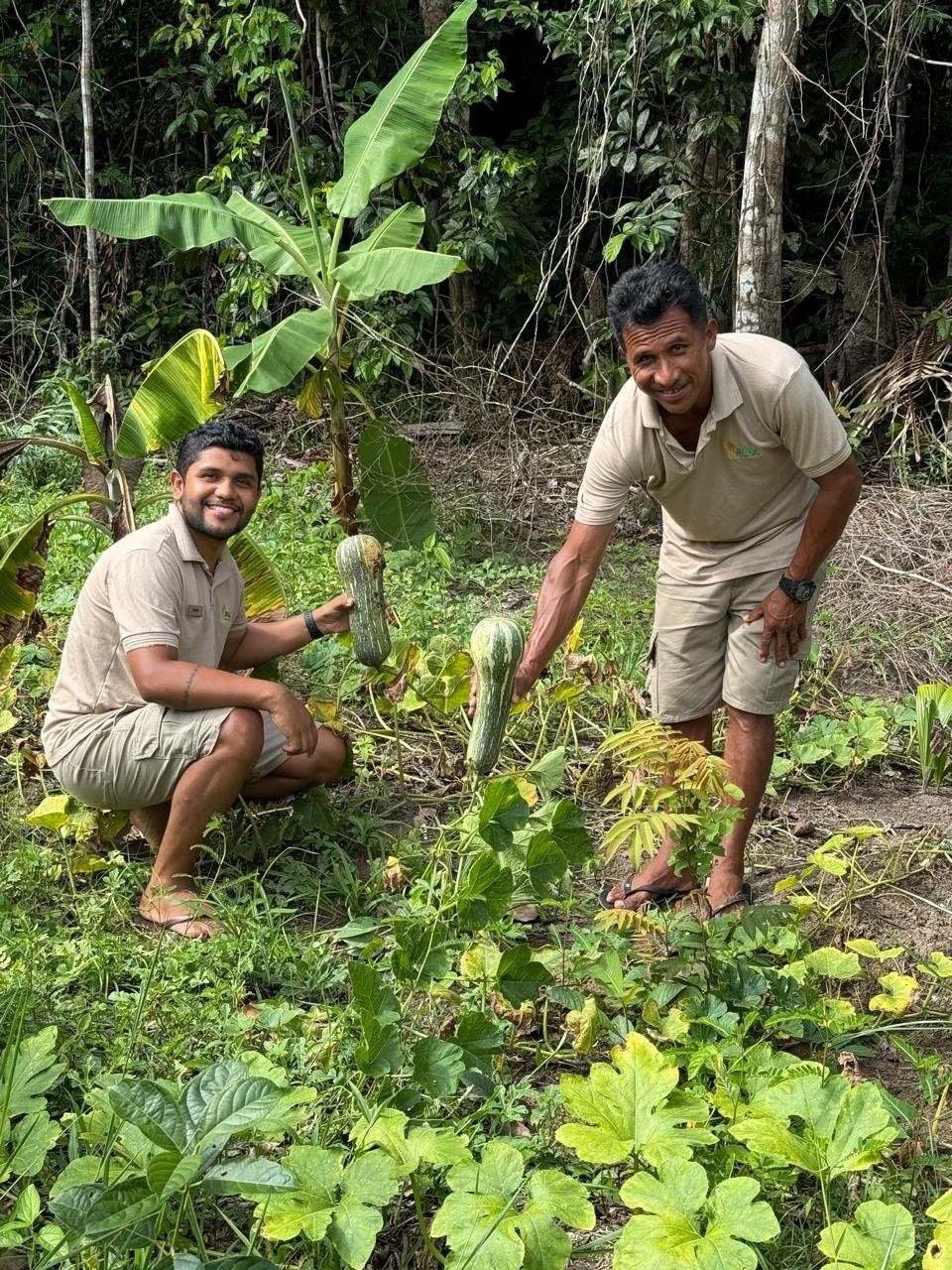
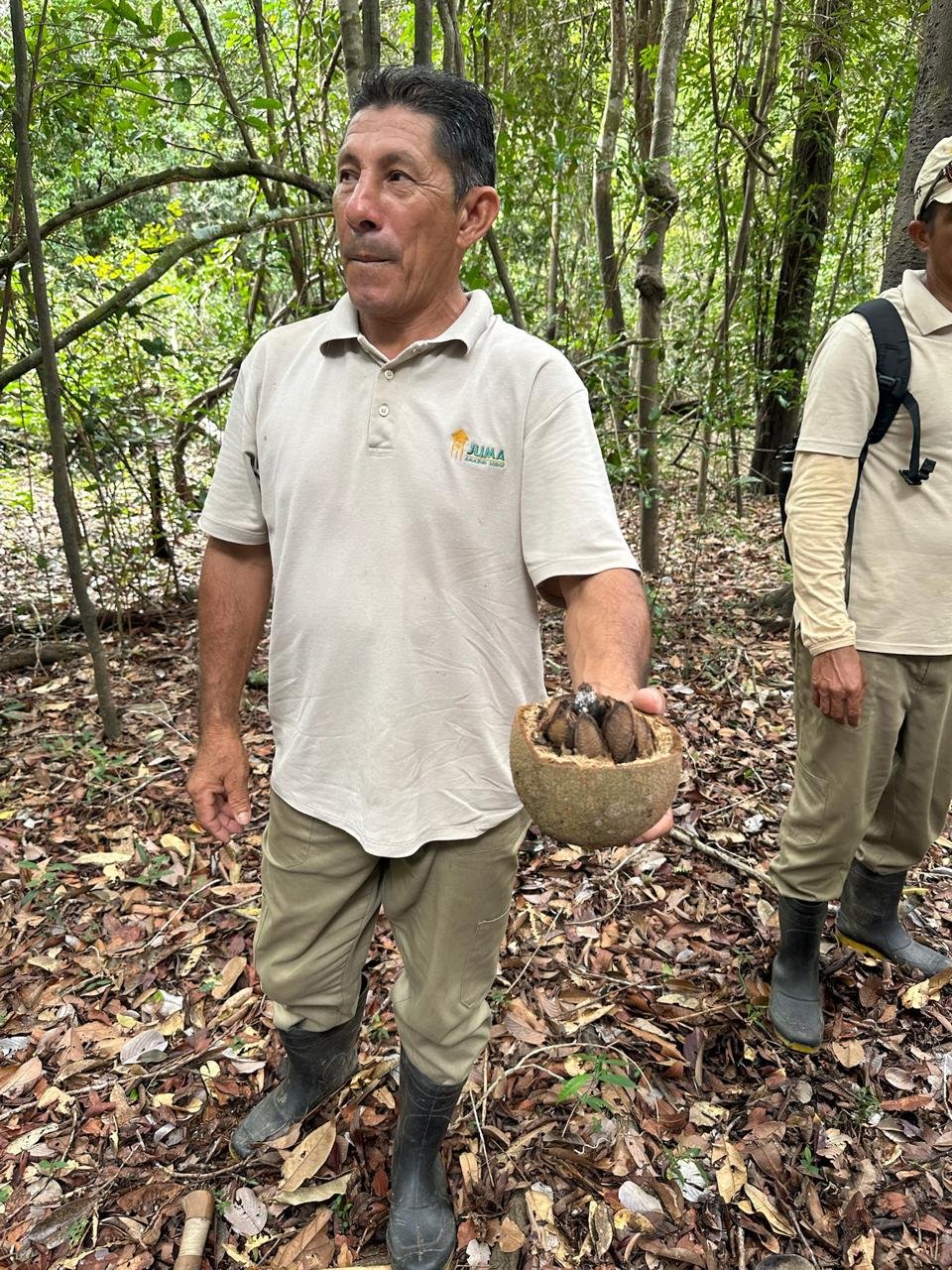
Equally important is Juma’s relationship with the surrounding communities. More than 90% of its staff come from nearby areas, making the lodge a vital contributor to the local economy. Beyond employment, Juma actively engages with residents through environmental education initiatives. These include lectures on topics such as organic waste utilisation, selective recycling, biodiversity conservation, and sustainable practices like worm farming.

Through these combined efforts, Juma Amazon Lodge demonstrates that responsible tourism can play a meaningful role in preserving one of the planet’s most vital ecosystems.
At the same time, the broader reality of the Amazon forest is becoming more and more concerning every day. Once known as a carbon sink absorbing emissions, the Amazon has begun to act as a source of carbon dioxide (CO₂), due to widespread fires and ongoing deforestation, often caused to clear land for agriculture and livestock farming,
This shift makes sustainable initiatives like Juma Amazon Lodge even more important. By protecting the surrounding forest, reducing emissions, and supporting local communities, projects like this contribute in a concrete way to preserving the Amazon.